Life After Loss: Bereavement Advice for Navigating Grief
Losing someone we love is one of the hardest experiences we will ever face. Dealing with bereavement brings with it a flood of emotions, changes, and challenges that can feel overwhelming. This blog offers compassionate advice to help you navigate life after loss, offering insights into the grieving process and ways of coping with grief and loss.
The Individual Nature of Grief
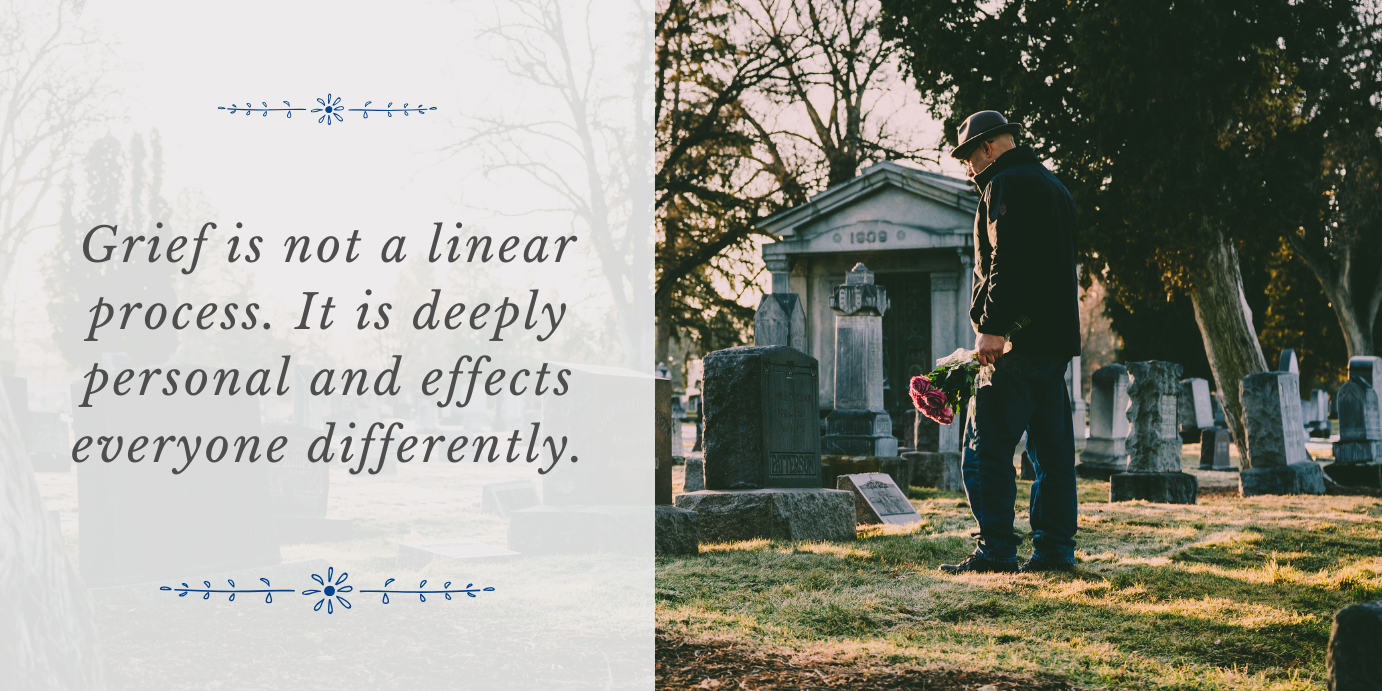
Grief is a deeply personal process, and no two people experience it the same way. There is no "correct" way to mourn. There are a lot of myths about grief, many people have heard of the Kübler-Ross stages of grief: denial, anger, bargaining, depression, and acceptance. While these stages can provide a framework, it’s important to remember that grief is not a linear process. You may move between these stages, revisit some, or experience emotions that don’t fit neatly into categories. Grief is messy, unpredictable, and deeply human. It’s your journey, but having someone to accompany you at times can be invaluable.
Advice for Coping With Losing a Loved One:
Give Yourself Permission to Grieve:
There’s no right or wrong way to grieve. You might cry uncontrollably, feel numb, or even laugh at unexpected moments. All these responses are valid. Don’t put pressure on yourself to “move on” or “stay strong” for others. Allow yourself to feel whatever emotions arise.
Seek Support:
Grief can feel isolating, but you don’t have to go through it alone. Sometimes, just having someone to listen can make a difference. Some people find support in the form of a book, or music, others in a friend. Bereavement support groups can also provide a safe space to share your feelings with people who understand what you’re going through. If you’re struggling, consider speaking to a counsellor or therapist who specialises in grief.
Take Care of Your Well-being:
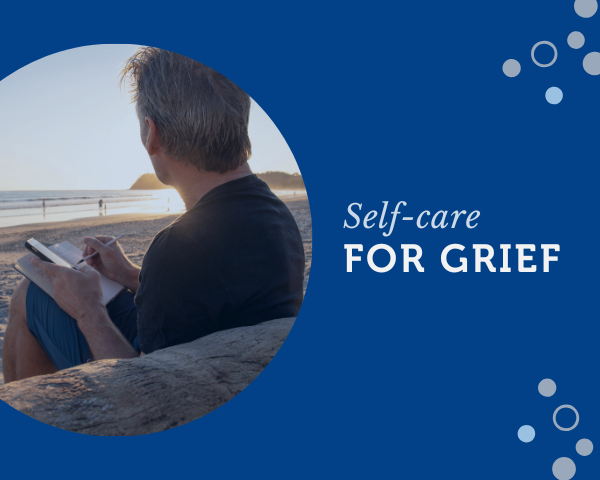
Grief often takes a toll on your physical health, so it’s important to prioritise self-care. Make sure you’re eating regularly, staying hydrated, and getting as much rest as you can. Gentle exercise, like a walk in nature, can help release tension and improve your mood.
Dealing with Life After Loss
When someone close to us dies, it can feel like our entire world has shifted. Routines that once felt effortless might now seem impossible. Rather than trying to tackle everything at once, start small - focus on one task at a time, whether that’s preparing a meal or tidying a room. Breaking things down into manageable steps can help you regain a sense of control.
If your loved one played a key role in your daily life, you might need to take on new responsibilities, such as managing finances or household tasks. Don’t be afraid to ask for help if you need it - there’s no shame in leaning on others during this time.
Finding ways to honour your loved one can be a comforting part of the healing process. Create a photo album, write a letter to them, or organise a memorial gathering with family and friends. Acts of remembrance, like planting a tree or donating to a charity they cared about, can provide a sense of connection and purpose.
It’s normal to feel guilty about experiencing moments of happiness after a loss. But finding joy doesn’t mean forgetting your loved one, it’s a sign that you’re beginning to heal. Allow yourself to rediscover activities you enjoy or try something new. Over time, these moments of light will grow, helping you build a life that both honours the memory of a loved one and allows you to navigate your grief to find happiness.
When to Seek Professional Help
Grief is a natural process, but sometimes it can become overwhelming. If you’re struggling to get through the day, feeling hopeless, or withdrawing from life for an extended period, it might be time to ask for help, resources and advice. Grief counsellors and therapists can provide tools and strategies for dealing with bereavement to help you work through your emotions.
Remember, seeking help is not a sign of weakness, it’s an act of courage and self-care.
Healing Is a Journey
Grieving is not about “getting over” a loss but learning to live with it. Over time, the pain becomes less sharp, and the memories of your loved one can bring comfort instead of sorrow. Be patient with yourself and remember that healing is a journey, not a destination.
Your grief is a testament to the love you shared with the deceased, and healing does not mean forgetting. Over time, you’ll find ways to honour their memory while rebuilding your life. You are not alone on this journey, and support is always available to help you navigate the road ahead.
For more local resources and links, visit our Local Information and Useful Links page.