Helping You Choose the Right Memorial: A Guide to Headstones
Selecting a headstone is one of the most meaningful ways to honour the dead, as it provides something physical and permanent to pay tribute to them. There are many factors to consider when choosing a headstone, making it easy to feel overwhelmed. To help you make an informed decision, we’ve put together this guide to give you information on everything from materials and styles to regulations and maintenance.
What Is a Headstone?
A headstone (also called a gravestone or tombstone) is a permanent memorial placed at a burial or ashes site. It serves as both a marker and a tribute, displaying important details such as the person’s name, life dates, and sometimes an inscription or design that reflects their personality or beliefs. Each headstone becomes a focal point for remembrance, as it provides a physical place to visit and pay tribute to the dead.
When to Place a Headstone
It is typically recommended to wait 6-12 months after burial to allow the ground to settle before placing the headstone to avoid the risk of it tipping. This period may need to be longer if the weather has been particularly bad or for a double-depth burial. Cremation memorials can usually be placed sooner.
This will also coincide with the wait time for the creation of the headstone itself, as it takes 5-6 months for the stone to be delivered to our Stonemasons, who will then get to work on creating the finished product.
In the meantime, it is possible to place a temporary grave marker at the burial site, providing you with a placeholder memorial whilst you wait for the permanent headstone to be finished.
Choosing the Right Material
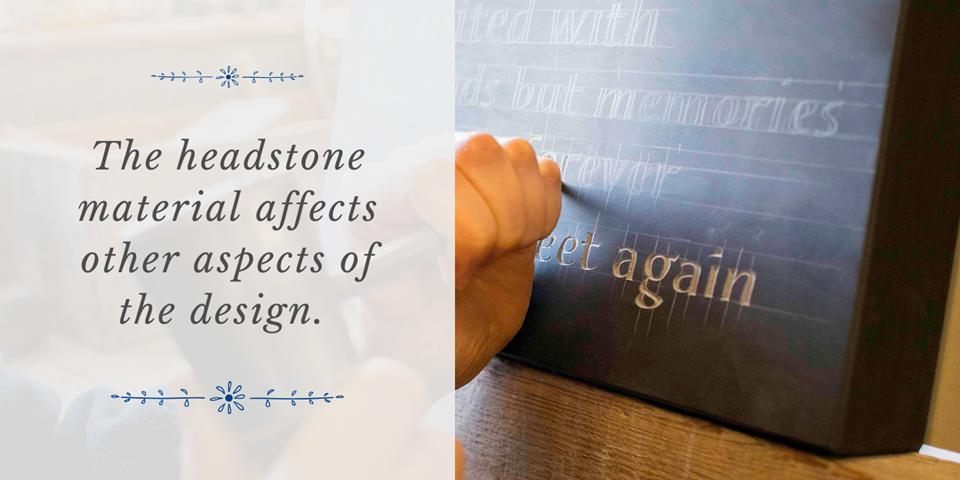
The material is highly important, as it will impact other aspects of the design, as well as the longevity and maintenance of the headstone. Some options that we provide include:
- Granite: The most popular choice, known for its durability, versatility, range of colours and finishes. Its robust nature means it is long-lasting, easy to clean, and most suitable for a wide range of designs. In some burial sites, only certain finishes are permitted for use on granite memorials.
- Limestone: Often used in churchyards, this stone offers a soft, natural look which differs depending on the type. We primarily use Nabresina from Italy, Portland from Dorset, and Hopton Wood from Derbyshire. The porous nature means they require regular cleaning.
- Cumbrian Green Slate: One of the finest materials available, it is both incredibly weather-proof and easy to keep clean. Despite its robust nature, it is very easy to carve, making it suitable for fine letter designs and intricate carvings. However, it is not suitable for all types of memorials and is the highest-cost option.
Types of Headstones
Every family’s preferences are unique, and headstones can be tailored to reflect that. Common styles include:
- Headstone: An upright headstone with plenty of options for customisation, including the shape of the top, the design of the base and ornaments. These are suitable for most cemeteries and churchyards.
- Kerb set: The entire grave is covered, and the space is filled with earth to plant flowers, stone or glass chippings or a stone slab that features an inscription. The memorial is placed prominently at the head end, with a variety of shapes to choose from. The posts of the kerbs can be bored out, and vases can be incorporated within them to display flowers.
- Cremation memorial: Although these are smaller memorials, there are also plenty of options to choose from when it comes to shapes and styles. However, the smaller size means less room for inscriptions, and there are often quite specific regulations about what is allowed.
Regulations and Cemetery Rules
Every cemetery and churchyard sets its own rules about headstone materials, sizes, colours, and wording. Cemeteries and other types of burial grounds are generally far more flexible than religious burial sites. For example, memorials in a Church of England churchyard must adhere to specific regulations regarding the size, material, design, ornament, wording and lettering. This is done to preserve the historic character of the sites, and any headstones must be authorised before being placed here.
If these regulations are not followed, the headstone may be removed, so it is important that you are aware of and understand any restrictions before making any final decisions.
Inscriptions and Lettering
There are two methods used to create headstone inscriptions: hand-cut and machine-cut. Each method lends itself to certain applications; hand-cut allows for total design freedom and generally works best on softer stone, whereas machine-cut fonts are based on computer fonts and are typically used for granites.
The lettering is finished using paint or gold leaf to help the inscription stand out. Whichever you wish to choose is completely down to you, within regulations.

Caring for a Headstone
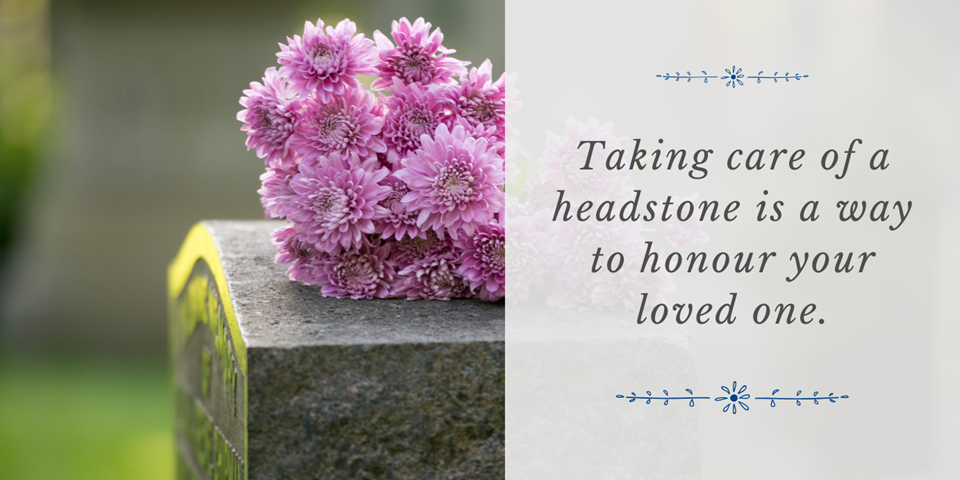
A headstone is a lasting tribute to your loved one, so looking after it is a way to continue to honour their memory. The frequency and level of maintenance for a headstone will depend on your choices when designing it. Taking proper care of the headstone will reduce the need for professional services, although they will be required for certain aspects, such as renewing the finish of inscriptions.
Generally, regular cleaning with water and a soft cloth is ideal, and using harsh chemicals or household cleaning products should be avoided. Even simple things, such as removing leaves or dirt, can go a long way to preserving the look of a headstone.
We believe every memorial should tell a story, reflecting the life and legacy of the person it represents. If you’d like to discuss headstone options, please contact our Stonemasonry team. We are always happy to answer any questions you have.