The Importance of Talking About Death
The subject of death is challenging for a host of reasons, and is viewed by many as something to avoid talking about altogether. It is completely understandable for it to be a sensitive subject, given the feelings of sadness and uncertainty that often come as a result. However, we want to assure you that getting comfortable with something that affects us all will help to cope with grief far more than ignoring it.

Talking Can Lead to Healing
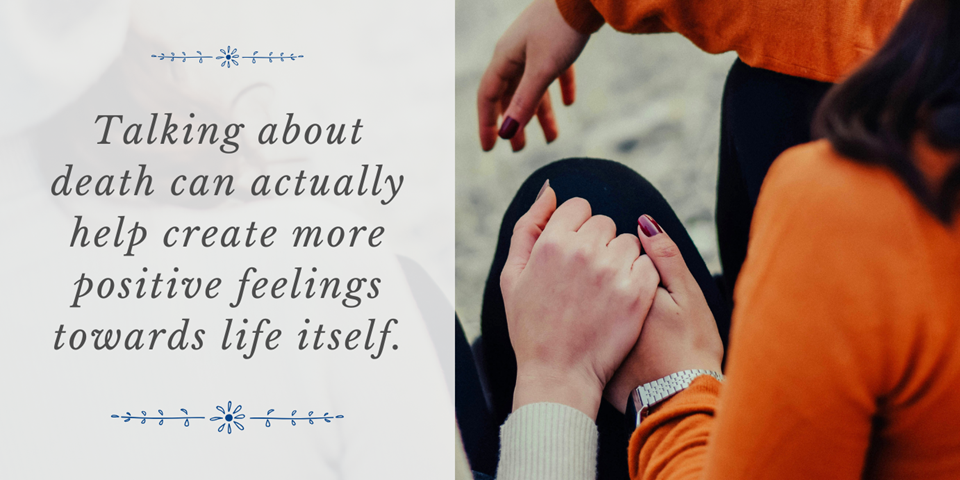
Feelings of apprehension are often caused by a lack of understanding or the idea that something is taboo. For those who have suffered a bereavement, it is easy to feel lost and unable to share their feelings for fear of being judged or even thinking that people don’t want to talk about the subject of death. Simply allowing conversations about death can naturally help to remove the sense of unease about the subject and create more positive feelings towards life itself.
Often, talking to loved ones will create a sense of shared comfort from listening to and supporting those who may have had, or are currently going through, similar feelings or experiences.
Having these conversations can also help with the planning of what to do after a death. By asking questions and gaining an understanding of your loved one's last wishes, it will be easier to plan the final goodbye and create the sense of closure that comes from knowing they have been given the perfect tribute that they wanted.
Who and When?
As with any personal conversation, it is important to consider who to talk to and when. Trying to start a meaningful conversation with someone who is busy or already going through a challenging time can make them feel like they are being blindsided or that there is unnecessary pressure being put on them. Ideally, try to find a calm moment and look for something to trigger the conversation naturally, such as a film or news story. Some people feel most comfortable chatting whilst they are doing something else, so finding something to do together can be a great way to start talking organically.
Having said all this, we are aware that finding the right time is not always a luxury that everyone gets, so sometimes it may be a case of just trying to find the best time whilst trying not to leave it too late.
Additionally, it is important to understand that the person you are talking to will have their own experiences and feelings towards death, which should be taken into consideration when approaching them. Whilst we encourage you to have these discussions with close friends and family, it is important to recognise that sometimes the best person to talk to is a professional, whether that is a funeral director to help with aspects of planning, or a counsellor to help you cope following a loss.
Having The Conversation
Think in advance about what you want to say, and this will help you figure out how to approach the subject with the other person or people.
If you want to discuss your wishes about what should happen after your own death, then start by explaining that this is something that you have been thinking about for a little while and that you’re telling them this with the future in mind. This will help to remind them that this is something everyone has to prepare for eventually and show that you’re trying to alleviate the pressure on them.
If you are trying to start a more emotional conversation, such as about your own feelings towards death or how a loved one is coping with a bereavement, then it is best to start by being honest about the subject you are trying to broach. This will help to prepare you and the person you are talking to emotionally and set the tone for what you are about to say. During these conversations, it's as important to listen as much as anything else. Sometimes, a solution is not required, but the feeling of being heard and getting something out in the open is enough.
Conclusion
As challenging as it can be to think about and accept death, removing the taboo and being comfortable talking about it can create more positivity about our own lives, as well as removing the uncertainty that comes with planning the next steps.
If you or someone you know needs guidance on what to do following a death, whether it's planning what to do next or finding the right advice, please feel free to contact one of our friendly team members.